
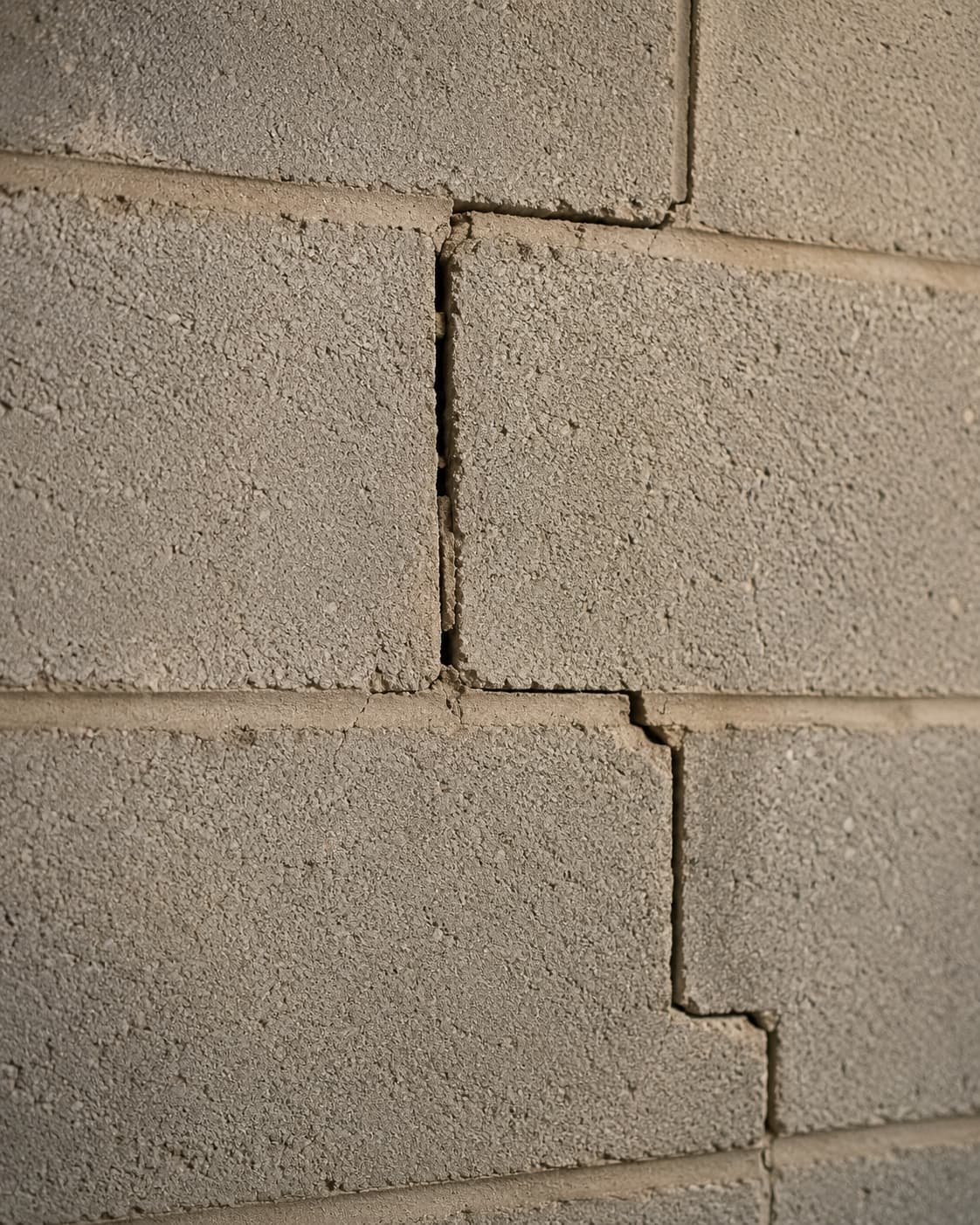
Foundation repair timelines are one of the most practical questions Tulsa homeowners ask before committing to repair work — and one of the least clearly answered by contractors who default to vague responses like “it depends.” It does depend, but in predictable ways that can be explained clearly before an inspection ever takes place. This guide covers realistic timelines for every common foundation repair type in the Tulsa market, what factors extend or compress those timelines, and what homeowners should expect at each stage of the process from first call to completed repair.
How Long Does Crack Injection Take
Epoxy and polyurethane crack injection is the fastest foundation repair service we perform. A single crack injection on a poured concrete wall — port installation, injection, and cleanup — takes two to four hours from arrival to departure for a straightforward single-crack job. A home with three to six cracks requiring injection is typically a full-day job, with the crew on site for six to eight hours.
There is a curing consideration with epoxy injection that homeowners need to account for in their planning. Two-component epoxy requires 24–48 hours to reach full cure strength after injection. During that window, the repair is in place and the crack is sealed, but the epoxy has not yet reached its maximum bond strength. For most residential situations this curing period does not require any special precautions — normal household activity can continue. For repairs on walls that are carrying significant structural load, we may advise a brief period before resuming any activity that would stress the repaired area.
Polyurethane foam injection cures faster than epoxy — most formulations reach working strength within one to four hours of injection. The foam expands as it cures, which is what allows it to fill irregularly shaped crack voids completely, and the expansion process is complete within the first few hours after injection.
How Long Does Wall Stabilisation Take
Carbon fiber strap installation is a single-day repair in virtually all residential applications. A typical Tulsa basement wall requiring three to five straps is a four to six hour job. The straps are bonded to the wall surface with structural epoxy, which requires the same 24–48 hour curing period as crack injection epoxy before the straps reach full tensile capacity. Normal household use of the basement can continue during curing — the straps are bonded and in position, they simply have not yet developed their maximum strength.
Steel I-beam installation takes slightly longer than carbon fiber strap work because the beams require mechanical anchoring to both the floor slab and the floor system above, and the anchor points need to be properly positioned and set. A three to five beam installation on a typical Tulsa basement wall is a six to eight hour job — still comfortably within a single working day for most residential applications.
Helical wall anchor installation involves drilling through the foundation wall and driving helical anchor rods through the disturbed soil zone into stable soil beyond. This is more mechanically complex than surface-applied stabilization methods and typically takes one to two days depending on the number of anchors, the depth required to reach stable soil, and the access conditions on the exterior of the property.
How Long Does Pier Installation Take
Steel push pier installation is a multi-day process for most residential foundation settlement jobs in Tulsa. The work involves excavating access pits at each pier location around the foundation perimeter, hydraulically driving steel pipe sections to load-bearing depth, attaching pier brackets to the foundation footing, and transferring the structural load to the piers. A four to six pier installation — the typical scope for a residential settlement job — takes two to three days. An eight to ten pier installation covering a larger affected area takes three to four days.
After pier installation, the excavated areas around each pier location are backfilled and compacted. Concrete flatwork that was broken for pier access — garage floors, basement floors, exterior concrete — is repoured as part of the scope. Allow an additional 24–48 hours for concrete re-pour areas to reach initial set before normal use resumes.
Helical pier installation follows a similar timeline to push piers. The mechanical process of screwing helical piers into the soil is less disruptive than the hydraulic driving process used for push piers — there is less vibration and the equipment footprint is smaller — but the overall job duration is comparable for the same number of piers.
Pier and beam repair timelines vary more than any other repair type because the scope discovered during the crawl space inspection can range from minor shimming to comprehensive structural rehabilitation. A minor shimming and relevelling job on a Tulsa pier and beam home — adjusting a handful of piers and adding shims to restore floor level — is typically completed in one day. A job involving new pier installation, joist sistering, beam section replacement, and vapor barrier installation may take three to five days.
How Long Does Foundation Waterproofing Take
Interior waterproofing system installation is the longest foundation repair process in terms of on-site duration. The work involves saw-cutting the concrete floor along the interior perimeter of the basement, excavating a trench below the slab, installing perforated drain tile in clean gravel, backfilling, and re-pouring the concrete floor over the drain tile. This is physically demanding, dusty, and noisy work that requires the basement to be largely clear of stored items before the crew arrives.
A partial perimeter installation covering a single wet wall — typically 20 to 40 linear feet of drain tile — takes one to two days. A full perimeter installation in a typical Tulsa basement of 800 to 1,200 square feet takes three to five days. Larger basements or those with unusually thick concrete floors may extend to six or seven days.
Concrete re-pour areas need 24–48 hours of initial cure time before foot traffic and 28 days to reach full design strength. Normal basement use can resume within 48 hours of the concrete pour in most cases. Sump pump installation adds approximately half a day to the waterproofing scope when a new pit is required.
What Extends Foundation Repair Timelines in Tulsa
Several factors can extend the timelines described above beyond the typical ranges. Access difficulty is the most common — a crawl space with less than 24 inches of clearance, a basement with a finished ceiling that requires partial demolition for overhead access, or a pier installation location immediately adjacent to landscaping or hardscaping that complicates excavation all add time to the job.
Weather is a relevant factor for exterior work. Helical anchor installation, push pier excavation, and any work requiring exterior concrete pours is weather-dependent. Tulsa’s spring season — when foundation repair demand is highest — is also when the metro’s most significant rainfall events occur. A job that starts on a Monday in April may experience weather delays that push completion to Friday rather than Wednesday.
Permit requirements add time to the schedule for jobs where local building authority approval is required. The City of Tulsa’s Development Services department processes permit applications with typical turnaround times of three to seven business days for standard residential foundation repair permits. We handle permit applications as part of our scope where required and factor the permit timeline into the project schedule from the start.
From First Call to Completed Repair — The Full Timeline
For Tulsa homeowners trying to plan around a foundation repair, the full timeline from initial contact to completed work runs approximately two to four weeks in normal scheduling conditions. The inspection visit is typically scheduled within two to five business days of first contact. The written estimate is provided at the time of the inspection or within 24 hours for more complex scopes. Scheduling the repair work itself depends on current crew availability — in Tulsa’s busy spring repair season, lead times of one to two weeks from estimate acceptance to repair start are typical.
Emergency situations — a wall that has moved suddenly, active structural distress, or a transaction with a closing deadline — are handled differently. We prioritise urgent structural situations and can typically mobilise within 48 to 72 hours for genuinely time-sensitive jobs.
The National Foundation Repair Association recommends that homeowners facing foundation repair not delay scheduling out of concern about disruption — the repair timeline is almost always shorter than homeowners anticipate, and every season of delay in Oklahoma’s clay soil environment adds to the repair scope. Call Tulsa Foundation Repair at (918) 359-6999 or complete the form on our Free Estimate page to schedule your free inspection.