
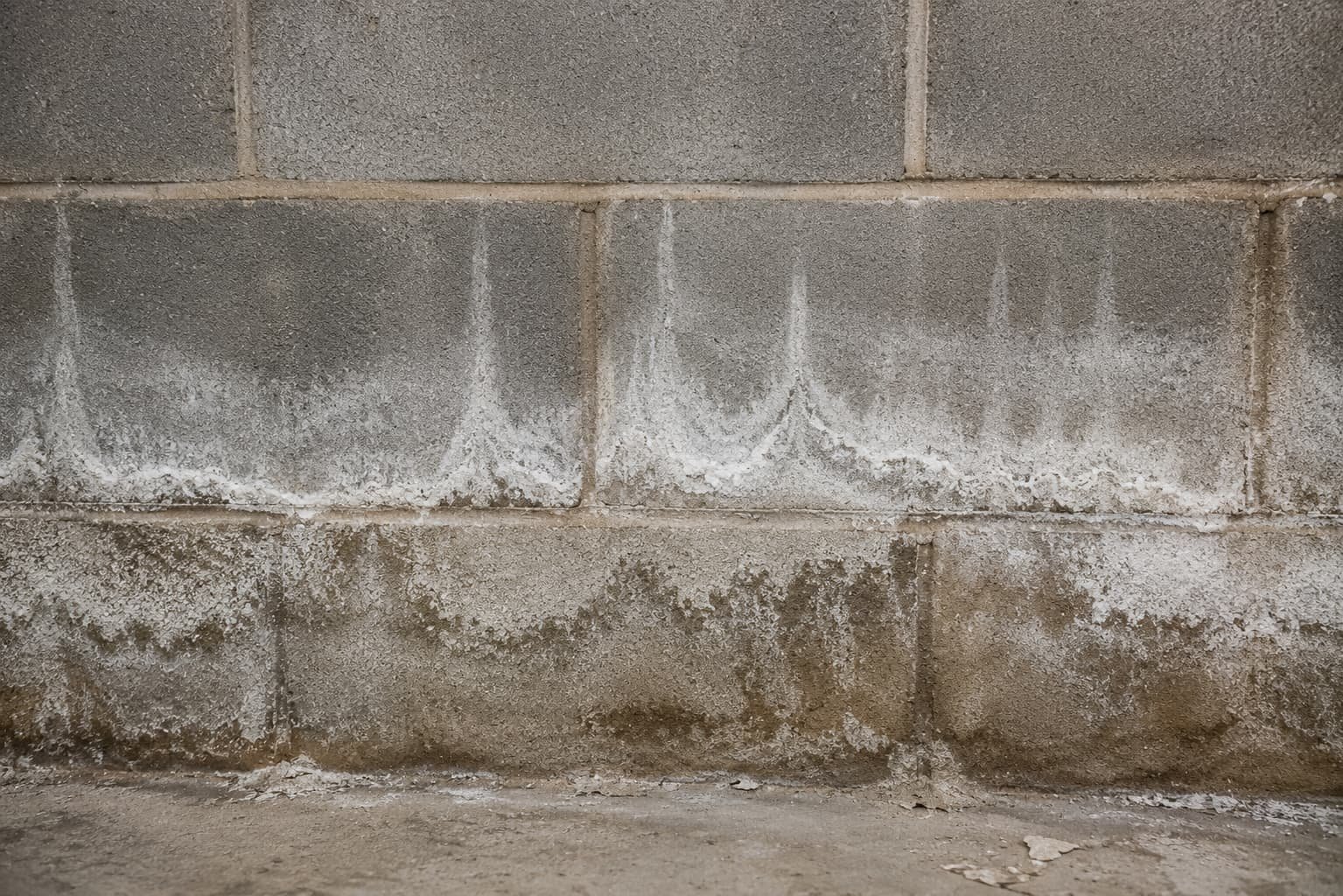
Foundation repair and home value is a topic that creates genuine anxiety for Tulsa homeowners — and understandably so. Discovering a foundation problem when you are preparing to sell, or receiving a buyer’s inspection report that flags foundation issues, feels like a threat to the transaction. The reality is more nuanced than most homeowners expect, and understanding how foundation repair actually affects Tulsa property values gives you a much stronger position whether you are buying, selling, or simply maintaining your home for the long term.
Does Foundation Repair Hurt Your Home’s Value
The short answer is no — a properly repaired and documented foundation does not hurt your home’s value. What hurts value is an unresolved foundation problem, or a repaired problem with no documentation. The distinction matters enormously in the Tulsa real estate market, where buyers, lenders, and home inspectors are all familiar with the clay soil foundation issues that affect homes across the metro area.
A foundation repair that was carried out by a qualified contractor, is documented with a written scope of work, and is backed by a transferable warranty is a selling asset, not a liability. It demonstrates that the problem was identified, professionally addressed, and covered by a warranty that transfers to the new owner. Buyers in Tulsa’s market — particularly buyers who have done their research on Oklahoma’s clay soil conditions — often prefer a home with a documented foundation repair over a home with no history of foundation work but visible warning signs that suggest problems may exist.
The scenario that genuinely damages home value is the one where a foundation problem is known but left unresolved. A seller disclosure that acknowledges foundation issues without accompanying repair documentation puts a buyer in the position of pricing the unknown — and buyers in that position almost always discount more heavily than the actual repair cost would justify. A $6,000 carbon fiber stabilization job that is documented and warranted typically produces a much smaller value impact than a $6,000 unrepaired bowing wall problem that a buyer’s inspector flags during due diligence.
How Tulsa Lenders and Appraisers View Foundation Repair
Lenders and appraisers approach foundation issues in Tulsa properties with a practical framework that most homeowners are not aware of until they are in the middle of a transaction. Understanding that framework in advance removes a significant source of uncertainty from the buying and selling process.
For conventional mortgage lending, the key question is not whether foundation repair has been done — it is whether the foundation is structurally sound at the time of the appraisal. An appraiser who observes active structural concerns — visible bowing, significant cracking, doors and windows that clearly no longer function correctly — will note those concerns in the appraisal report, which can trigger a lender requirement for repair before closing. An appraiser who reviews a property with completed, documented foundation repair and no active structural concerns will typically note the repair history without flagging it as a current deficiency.
FHA and VA loans apply slightly stricter standards. FHA appraisers are required to flag any evidence of structural deficiency, and FHA lenders will typically require repair completion and re-inspection before loan approval on a property with active foundation issues. Completed repairs with documentation generally satisfy this requirement without difficulty. VA appraisals follow a similar framework with a focus on the property’s current habitability and structural integrity rather than its repair history.
The practical implication for Tulsa homeowners planning to sell is straightforward: complete any known foundation repairs before listing, obtain written documentation and warranty from the contractor, and disclose the repair history accurately. This approach produces the best outcome in virtually every transaction scenario.
The Cost of Not Repairing Before Selling
Tulsa homeowners who choose to sell with known but unrepaired foundation issues typically encounter one of three outcomes — none of which are as favourable as completing the repair before listing.
The first outcome is a buyer price reduction request during due diligence that exceeds the actual repair cost. When a buyer’s inspector flags a foundation problem, the buyer’s instinct is to request a price reduction based on a worst-case repair estimate rather than a real contractor quote. A bowing wall that would cost $7,000 to stabilise with carbon fiber straps may generate a $15,000–$20,000 price reduction request from a buyer who has no comparable repair quotes and is pricing the risk conservatively. The seller who completed the repair for $7,000 before listing avoided that negotiation entirely.
The second outcome is a transaction that falls through when the buyer’s lender requires repair before closing and the timeline cannot accommodate the work. Foundation repair in Tulsa typically takes one to five days, but scheduling a contractor during an active transaction under time pressure is more difficult and more expensive than scheduling on your own timeline before listing.
The third outcome is a sale that completes but at a price that reflects the buyer’s uncertainty about the full scope of the foundation problem. Buyers who proceed with known foundation issues priced into the offer typically apply a discount that exceeds the repair cost by a meaningful margin — they are pricing not just the repair but the risk that the repair quote they received understates the actual scope.
Foundation Repair as a Pre-Listing Investment
For Tulsa homeowners planning to sell within the next one to three years, foundation repair completed before listing is one of the highest-return pre-sale investments available. The return is not a dollar-for-dollar recapture of the repair cost in sale price — it is the elimination of the discount that an unrepaired problem would generate, plus the removal of transaction risk.
The strongest pre-listing foundation repair strategy in Tulsa involves three steps: a professional inspection to identify and document all existing foundation issues, repair of all active structural concerns by a qualified contractor with written warranty, and full disclosure of the repair history to buyers with documentation available at listing. This approach puts the seller in control of the foundation narrative rather than leaving it to be defined by a buyer’s inspector during due diligence.
Buying a Home with Previous Foundation Repair in Tulsa
Buyers evaluating a Tulsa home with documented foundation repair history should approach the situation with the same practical framework described above. The key questions are: was the repair carried out by a qualified contractor, is the scope of work documented, does a transferable warranty exist, and are there any current signs of active structural movement that would indicate the repair did not fully address the underlying problem.
A home inspection by a qualified inspector familiar with Tulsa’s clay soil foundation issues will answer most of these questions. If the inspection raises concerns about the adequacy of previous repairs, a structural engineer’s assessment — typically $400–$800 in the Tulsa market — provides definitive professional opinion on the current structural condition. This is a worthwhile investment on any property where the foundation repair history is unclear or the documentation is incomplete.
The National Foundation Repair Association maintains guidance on what constitutes a properly documented foundation repair and what questions buyers and sellers should ask about repair history. For Tulsa homeowners with current foundation concerns — whether preparing to sell or simply maintaining their home — call Tulsa Foundation Repair at (918) 359-6999 or complete the form on our Free Estimate page to schedule a free assessment.